Hey Kids, Comics! #42 - Heroes Come Home: Animated


Comic books have had their “Golden Age”, but in many ways they are enjoying a true golden age yet again.  Never has there been so much universal interest in the genre than today.  Comic book characters have broken free of their panels and invaded all manner of other media.


In this issue and the next issue, Hey Kids, Comics! will examine the role of comic books as source material for television programs.  The United States of Geekdom’s resident animated super-hero genre expert Rick Gutierrez joins the fun as the final guest host of the long Andrew drought that has become a trademark of this show over the last few weeks.  


Cole and Rick talk up those primitive Marvel cartoons that were among the first such televised features and how they blazed a trail for the likes of the various incarnations of the Super-Friends, the dynamite X-Men series, and even the half-hour toy commercial that is Super-Hero Squad!  Even the emerging straight-to-home-video animated features, like Planet Hulk and Superman: Doomsday,  will be explored.


The Apocrypha #4 - Can You Hear the Muppets Sing?


by Mr. Johnson
Charlie's Restaurant, Sesame Street

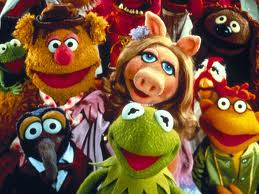
In 2011 Walt Disney Pictures released The Muppets, a return to the big screen (and the public eye) of Jim Henson’s timeless creations.  While the underlying plotline of the film, a struggle to save a beloved “fill-in-the-blank” from the machinations of an evil business man, has been one of the most grossly overused chestnuts in children’s entertainment (The Three Stooges, Dudley Do-Right, The Little Rascals – the list goes on and on), there were those who decried the film as propaganda that fostered a sentiment of class warfare in the minds of its youthful viewers.  While seemingly a stretch, the sociopolitical climate at the time bred such levels of paranoia that anything remotely suggestive of a threat to the status quo was attacked with fervor.  Just over a year later Universal Pictures released Les Miserables, the cinematic adaptation of the musical theatrical adaptation of Victor Hugo’s greatest work that was once lesser known than The Hunchback of Notre Dame.  Despite its every attempt to veritably cram class warfare down the throats of its audience, this particular social commentary super-charged movie received not so much as a raised eyebrow!


Alarmed by the combined commercial success and absence of backlash enjoyed by this Academy Award nominated tour de force of social unrest, Disney immediately sought the rights to produce their own adaptation of the popular musical – A Muppet Les Miserables!  What follows are recently leaked details on the production which is slated for a Christmas 2013 release.  Special thanks to our Ain’t It Cool News-like band of studio spies who managed to dodge a gauntlet of Disney security, both human and hand-puppet, to deliver this story.  No Bothans died to bring us this information; however we are sad to report that one did pass away from having mistakenly eaten a bowl of Hunger Games berries for breakfast.


In what is likely to be considered the most startling development of this production, there is not a single human actor making a cameo in this film.  This is a unique first for Muppet movies that may have fans crying foul.  From The Muppet Movie (1979) straight through to The Muppets (2011), films of this beloved property have starred at least one human lead and been replete with cameo appearances by B to N-list celebrities.  The producers of this outing have reportedly invoked 1982’s The Dark Crystal as proof positive that a Muppet-centric film can be a box office powerhouse.  How well Muppet Les Miserables will fare absent the Fantasy Island/Love Boat casting appeal of past incarnations remains to be seen.  


Until then, enjoy this report on the casting of the most socially relevant Muppet cinematic excursion since Muppets From Space

Muppet Les Miserables
Walt Disney Pictures
Christmas 2013

Gonzo as Jean Valjean/Monsieur Madeleine
The much plagued hero who finds nobility in the midst of proving himself the worthless thief that 18th century French jurisprudence had rightfully branded him is given ironic new life in the form of a Whatever. 

While seemingly odd casting, Gonzo lends the role its requisite humility while juxtaposing his slight form against the character’s immense physical strength.  Producers reasoned that like Chewbacca, his gangly exterior masks powerful sinews and raw muscle power that is not obvious at first glace.  Gonzo’s countenance, a permanent expression of exasperation and confusion, ideal for conveying Valjean’s lot in life, also played a role in putting the often underrated Muppet to the forefront of this tale. 


Beaker, Swedish Chef, Beauregard, Zoot, and Whatnots as Prisoner Chorus at Bagne Prison
Background and extras roles are the staples of any Muppet cinematic outing, and Muppet Les Miserables is no exception.  As the film opens, a disheveled and downtrodden Gonzo takes center stage amidst a collection of imprisoned Muppets pressed into service by the State.  Familiar faces abound as incarcerated workers toil in the blistering noonday sun, chipping the stone walls of an imposing quarry with the prison walls visible in the background. 

In brief solos, Beaker peevishly begs for the welcome release of death and the Swedish Chef declares that his love will patiently await his inevitable release, both to the discouraging refrains of dirge-like responses from their fellow prisoners.  Producers admit that placing largely incoherent Muppets in the mood-setting initial scene was a deliberate attempt to “inject a little of the trademark Muppet Show humor into the weighty subject matter of a forced labor camp.”  


Kermit the Frog as Inspector Javer
In a striking turn of casting against type, the affable Kermit lends unmistakable irony to the role of the obsessive and officious policeman.  Citing the amphibian’s ability to maintain focus when all around him was collapsing into utter chaos during every single episode of The Muppet Show, director Tim Burton defended his choice of Kermit in such a pivotal role.  Burton did confirm early rumors that Sam the Eagle was an early contender, but an urgent letter from the Department of Homeland Security expressing concerns that the iconic felt and feather jingoist cast in the role of a French national might reopen the rift in Franco-American relations that had gone the way of freedom fries in recent years.

Many in Hollywood have drawn comparisons to casting the face of Muppetdom in such a powerful role with Tim Burton’s decision to hand the cape and cowl of Batman to an actor best known at the time as “Mr. Mom”.  While theatre mavens are likely to complain that Kermit has no place in such a profound musical, producers of Muppet Les Miserables are confident that the sight of Javer effecting the frog’s trademark hard swallow as he prepares to fall to his death in the Sine will sway even the staunchest naysayers.   


Fozzie Bear as the Bishop of Digne
Amid the tragic circumstances that lead a beleaguered Valjean into the graces of the Bishop, the wacky antics of Fozzie offers the audience a welcome  respite. 

While the slapstick nature of this comical bear is toned down considerably, the production does take advantage of this unusual casting choice.  From a cassock that subtly suggests Fozzie’s polka dot pattern tie to the rubber chicken-shaped silver candlesticks gifted to the ex-convict upon his return to the abbey, a number of decidedly tongue-in-cheek flourishes instill the crucial scene with whimsy.  Furthermore, much of the Bishop’s singing is punctuated by oddly appropriate pronouncements of,  “Wakka wakka wakka!”


Pepe the King Prawn as the Arresting Officer (Abbey Scene)
While slight compared to most Muppets, the enthusiastic crustacean is commanding in his brief interlude escorting a thieving Valjean to face the judgment of the trusting holy man.  Producers felt that Pepe’s uncanny ability to convey a range of emotions, mostly varied species of bemusement, made him an ideal choice.


Annie Sue as Fontene
While technically younger than the Muppet’s most famous pig, Annie Sue was chosen to portray this vital character due to the similarities between the two Muppets. 

Seen as a means to get Annie Sue more actively in front of fans, this challenging role has proven none too difficult for the starlet wannabe.  According to eyewitnesses on the set her performance was so moving that boxes of tissues were commonplace off camera.  From the character’s expulsion from the factory that was the livelihood of herself and her daughter to her moving death scene in the arms of a contrite Valjean, an Oscar-worthy portrayal was delivered by a performer who will be patently ineligible for such an honor.  Annie Sue’s puppeteer was quoted as saying, “Now I really know how Andy Serkis feels!”


Sweetums as the Factory Foreman
The boorish foreman is given tremendous presence in the factory scene, towering over the rest of the cast including his charges.

While brief, the role does move the course of Fantine’s life, so producers wanted a character who would mke the scene that much more memorable.  Removing Sweetums from  his traditional characterization of a simpleton to that of a no-nonsense worker who feels slighted by having his advances dismissed serves to convey the atmosphere desired.  Many at Disney are calling this is a turning point in the career of the man-sized Muppet.


Camilla and Hens as the Factory Workers
Camilla heads up the troupe of busy-bodied factory workers as the jealous lover of the foreman in the crucial scene that places Fontene in he hands of cruel fate.  In the fashion of contemporary opera, the clucked lyrics of the scene are conveyed to the audience in subtitles. 


Omagrossa as the Crone
The one-off Grouch from a single episode of Sesame Street appears briefly to offer Fantine a pittance for her necklace.


Miss Maxwell  as the Old Lady
The bookish mouse of Bear in the Big Blue House fame has a brief cameo convincing Fantine to sell her long blonde locks in song. 


Dr. Bunsen Honeydew as Bamatabois
The brutish “gentleman” who assaults Fantine and demands her arrest when Javert enters the scene is masterfully portrayed by the affable scientist.  In another example of ironic role reversal, Honeydew is remarkably well suited for this particular character’s brief moment on screen.  Test audiences found his delivery of the lyrics, “It’s the same for the whore as it is for the grocer!  The customer sees what the customer gets!” to be strangely delightful.


Dr. Teeth and Janice as Monsieur and Madame Thenardier
Who better to conjure up the outrageous innkeepers than one of the most colorful Muppets in the troupe?  Dr. Teeth brings his trademark bombast to the whimsical scenes of comic relief while Janet provides an understated counterpart. 

Director Tim Burton makes exquisite use of the flamboyant showman, muting his color palette in his initial scenes to juxtapose his more humble attire against the psychedelic finery he comes to sport at the Pontmercy-Madeliene wedding.  Even Teeth’s famous gold tooth plays a role, obtained in the sewers below Saint Michele from the corpse of a fallen Muppet during the “Dog Eats Dog” number.

Janice, it is reported, has surprised even the casting director, belting out stunning counterpoints to her on-screen husband’s claims during “Master of the House”, the first set piece to be filmed when principle photography began in February.  “She really did Jim proud!”, became a catch phrase repeated on set throughout a week of grueling takes.


Miss Piggy as Cosette Madeleine

Utilizing both the Muppet Babies and traditional incarnations of the porcine femme fatale, Miss Piggy takes on the challenging role of Valjean’s adopted daughter.  

Early call sheets reportedly had Piggy in the vital role of Fontene, but both the director and the studio felt that she was too powerful a performer to be limited to a first act performance alone.  With the fanciful younger form of the character well established since 1981’s The Great Muppet Caper, Miss Piggy proved a natural fit to take on both the child and young adult roles of the hapless illegitimate orphan.  Screen tests shown to focus group audience were found to be so moving that the decision was finalized and Piggy began filming Cosette’s wedding to Marius within a week.  


Prairie Dawn as Young Eponine
On loan from Sesame Street for the production, the veteran Muppet acts as the counterpoint to the waifish baby Miss Piggy in subplot developing scenes at the inn owned by the Thenardiers


Robin the Frog as Gavroche
The youngest of the Friends of the ABC, the Dickensian street urchin is portrayed with aplomb by Kermit the Frog’s diminutive nephew.  

A child of the slums, Gavroche acts as a youthful everyman (or everyMuppet) to introduce the conditions under which the poor and oppressed of Saint Michele labor.  And he further serves to add an indelible layer of poignancy to the fate of the student revolution when he is gunned down in cold blood while seeking to supply his comrades with much needed cartridge boxes.  Preproduction notes leaked last month suggest that Rizzo was originally considered for the role, but producers felt that Robin’s inherently adorable nature would give the character’s murder in cold blood by French troops even great weight to audiences.


Rizzo and Rats as Urchins and Orphans of San Michele
Accompanying Gavroche as he leads audiences through his poverty-ridden neighborhood is a mischief of rats led by the ever-present Rizzo.  The simplicity of their form allows a large population to be performed by a handful puppeteers, providing a savings to the budget-heavy production.


Walter as Enjorlas
The newest Muppet to take center stage, Walter proved himself in the lead puppet role of 2011’s The Muppets.  It is little wonder given his acting and musical talents that he was hand picked to appear as the leader of the band of students known as the Friends of the ABC.
 
Where in his cinematic debut Walter questioned his status as man or Muppet, in this stirring role he asks of his fellow non-humans, “is this just a game for rich young boys to play?”  With the future of his beloved country at stake, this bold Muppet leads the vanguard against French troops determined to put down the revolution and restore the poor and downtrodden to their former state of quiet desolation. 


Scooter as Marius Pontmercy
The no-nonsense stage manager of the gaffe-plagued Muppet Show is ideally cast as the lovelorn Marius.  His commitment to the revolutionary cause is distracted by a whirlwind romance with a woman he fell for after a passing encounter of less than five seconds.

With his patient demeanor and the scholarly air implicit in his nerdy spectacles, the self-effacing young Muppet makes bold strides as the first new love interest for Miss Piggy since she broke into super-stardom in 1976!   While the studio initially rejected the casting given the character’s eventual marriage scene, a test reel of Marius pining over Cosette proved more than ample to sway even the staunchest detractors.


Wanda as Eponine
With a female population not much greater than that of the Smurfs, finding ample Muppets of the fairer sex proved difficult for casting directors. 

Called out of relative obscurity, the female half of the ill-fated duo Wayne and Wanda provides a compelling portrayal of the conniving daughter of a family of crooks who’s love of Marius leads her to find compassion while becoming one corner of a love triangle of which her would-be love is oblivious.  His realization comes too late but adds poignancy to their tragic duet before Eponine succumbs to a combination of a musket ball to the abdomen and a falling spotlight to the head.   


Friends of the ABC
Clifford as Combeferne
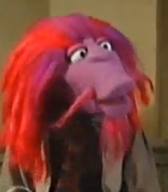
The bulk of the Muppets portraying freedom fighters at the barricade are culled from the ranks of Muppets Tonight.  The hipster proved an ideal choice to be second in command of the student warriors siding with the oppressed people of France.


Floyd Pepper as Jean Prouvaire
The flag waving revolutionary of “Do You Hear the People Sing?” is lent additional screen presence in the form of the most eye-catching member of the Electric Mayhem aside from the band’s front man. 


Bobo the Bear as Fleuilly
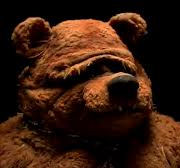
The non-student member of the Friends of the ABC is brilliantly portrayed by this humble ursine, clearly representing the common man in the impending struggle.


Johnny Fiama as Coufeyrac
The womanizing student siding with the cause of the people is brilliantly cast in the form of the stylish crooner. 


Animal as Grantaire
The boorish and drunken member of the inner circle of the Friends of the ABC is masterfully portrayed by the Electric Mayhem’s uncontrollable drummer.  His ever-present drumsticks are replaced by a flintlock pistol and a wine bottle.


Rowlf the Dog as Joly
Speculation abounds that Rowlf’s part in Les Miserables as the hypochondriac medical student is little more than typecasting based on the long-running “Veterinarian’s Hospital” segment of The Muppet Show.


Seymour as Lesgles
The sizeable elephant bellhop becomes a student revolutionary with minimal alterations to his bellhop’s uniform in this cuddly adaptation of the Victor Hugo classic.


Thenardier’s Gang
Farmer Lardpork as Brujon
Unseen since his appearance in Muppet Musicians of Bremen (c. 1972), the brutish Lardpork is the muscle of the gang.


Behemoth as Babot
The friendly exterior of his massive Muppet mingles well with the impending menace of Thenardier’s scheme to extort the much-plagued Valjean.


Banana Nose Maldonado as Claquesous
As obscure as he is culpable, the tropical fruit-faced criminal was a given when casting began for this minor role.


Big Mean Carl as Montparnasse
Rounding out the vile assembly, this traditional Muppet monster gives the group a foreboding screen presence.


Muppet Cameos
A puppeteer who worked on the production during what was described as “a Muppet-heavy week”, and spoke under condition of anonymity, reported that a number of Muppets not commonly seen were utilized as extras and background characters in a variety of set piece shots.  Among these were a variety of Koozebane aliens, cows from The Muppet Show, Uncle Travelling Matt (Fraggle Rock), Blotch (Kermit’s Swamp Years), and Big Bird.  Saturday Night Live’s King Ploobis and Scred were said to have been visible at the barricade and the sharp-eyed should be able to spot The Mighty Favog acting as set dressing at the wedding feast in the role of  a fountain.  A number of penguins can also be found milling about the background of that scene.


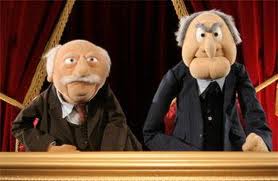
Statler and Waldorf
Fans of the acerbic pair fear not, they have not been left out of the proceedings!  The bellicose hecklers provide running commentary throughout the film in the form of prison guards (Work Song), Abbey priests (Valjean Arrested, Valjean Forgiven), road-weary travelers (Master of the House), and residents of the Saint Michelle slums (Do You Hear the People Sing) to name but a few of their cameos. 

While most of the gags are being filmed on closed sets to be added to the film in post production, two distinct interactions have leaked to the entertainment press.  Following the conclusion of the innkeeper’s introductory number the pair are seen peeking out of a room in the inn where one admonishes, “I told you we should have gone to the Super 8!”, followed by a shared laugh.  The second such scene, filmed only this week, involved the two Muppets throwing furniture from a second story window to student revolutionaries building the barricade.  Waldorf says to Statler, “Why are we tossing out all of this great furniture?”, to which his companion replies, “Because this isn’t our house!”  Again, their trademark wicked laughter ensues.

Photo smuggled from the set shows Javer contemplating suicide.
One prevailing concern expressed by many who have seen the leaked script and casting is the apparent lack of human stars.  From The Muppet Show straight through the cinematic career of these endearing puppets there have always been human co-stars with whom these endearing puppets can interact.  Insiders have indicated that the director felt that the scope of the production demanded a full Muppet cast devoid of human co-stars.  This despite a threatened lawsuit on the part of the Screen Actors Guild demanding that a number of their members be allowed to appear in the feature.  In the end the decision was made to go full-Muppet after negotiations with SAG reached an agreeable conclusion.  

“Besides”, said one Disney executive who asked to remain nameless, “If it worked for The Dark Crystal there is no reason it won’t work for Muppet Les Miserables!



Fandom Says Goodbye to a Quiet Giant of the Film Industry

Depending on how steeped you are in movie lore, especially that of science fiction and fantasy, you may not be familiar with the name Ray Harryhausen.  If you are not it is simply because it is a name that has fallen into obscurity as time has gone on and the “big names” in special effects have changed.  If you know the name it is likely you know it very well.  And, like me, you are saddened to hear the news that today, at the age of 93, this pioneer of animation passed away. 


On a personal level I have been a fan of Harryhausen’s work since childhood, though I did not always know him by name.  I marveled at the dinosaurs of 1 Million Years B.C. and Valley of Gwangi and the fantastic monsters that plagued the cinematic voyages of Sinbad.  It was not until Clash of the Titans that I really became aware of the man behind the magic, an animator who was inspired by Willis O’Brien’s work on the original King Kong and would one day work with his muse and mentor on Mighty Joe Young.  From humble beginnings using his father’s movie camera and a portion of his mother’s fur coat to create a short film of a prehistoric cave bear to animated features produced for U.S. troops in World War II through dozens of sci-fi and fantasy films ranging from Earth vs. Flying Saucers to The Golden Voyage of Sinbad, Ray Harryhausen brought the fantastic to life in a unique marriage of live action footage shot on set or location and perfectly synched articulated animation puppets. 


Perhaps best known for his sword and shield wielding skeletons in The 7th Voyage of Sinbad and Clash of the Titans, Harryhausen was the inspiration for generations of filmmakers and special effects artists who followed.  Using a process he dubbed Dyanamation this amazing artist made a name for  himself in Hollywood as the master of creature animation.  In addition to bringing lifelike movement to such creatures as the Minoton, a flying homunculus, a baboon prince, and Medusa the Gorgon, Ray Harryhausen was also their designer and had tremendous creative input into many of the films on which he worked over the years. 


I had the opportunity to meet this childhood idol of mine one of the two times I had the good fortune to attend the Harvey Awards back when they were a part of the Dallas Fantasy Fair.  In that way that all of us who are fans get when we have the opportunity to meet a favorite star I was terrified to approach him.  Only on the constant prodding of Mrs. JediCole did I finally walk up to Mr. Harryhausen and his wife as they waited for the elevator.  This was in a time when Jurassic Park had illustrated the boundless potential of CGI which, in as sense, became all too often overused down the line.  Struggling to make something coherent come out of my mouth I could only manage to impart to him that in the budding age of computer generated dinosaurs I would always have a special place in my heart for good old Dynamation!


And this remained true in the years that followed.  While the state of the art in CGI, which to his credit Ray Harryhausen acknowledged as just another tool in the filmmaker’s toolbox, continued to expand and astound movie goers, I could still break out Jason and the Argonauts or Sinbad and the Eye of the Tiger and find that they had never lost their magic.  The extraterrestrial Ymir, the Cyclops and the Roc that menaced Sinbad and his crew, the destructive Kraken of antiquity, and the massive ammonite from Mysterious Island are all cherished icons of my childhood that resonate as pitch perfect today as they did in my youth.  Indeed there will always be a special place in my heart for Dynamation and the incredible artist who made it the trademark of his craft.  Farewell Ray Harryhausen, thank you for bringing your own special brand of magic to the movies!
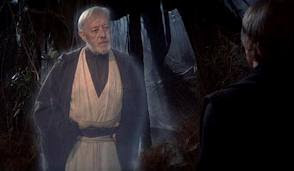

Ray Harryhausen
1920-2013

To see more about the impression Ray Harryhausen made on my life (as well as others), check out the following links to The United States of Geekdom.  

USG Episode 4: No Love for Bubo (A full episode dedicated to the life and career of the award-winning filmmaker.)  
JediCole’s Recommended Reading Special Edition (Featuring information on an amazing book on Ray Harryhausen.) 
The USG Memorial Tribute to Ray Harryhausen


Are You Ready To Rumble?! In the Literal Sense, That is...

Bobby Blakey is launching a new show on The JediCole Universe Podcasting Network, “Fight Scene”.  Essentially he has created illustrations of super-hero matchups that need some back story.  That is where you come in.  “Fight Scene” is a unique illustrated podcast which will eventually be featured on YouTube (stationary image with the actual podcast running as audio).  The audio in question is a series four different people individually describing in whatever level of detail they choose how the clash between the two heroes depicted will play out.  Each participant gets a maximum of 10 minutes to describe their version of the battle.  Bobby will record the intros for each as well as leading the show with his interpretation of the contest at hand.


What happens is entirely up to the participant.  You can describe what led to the fight as a lead-in to the action or just jump into the middle of things and describe the epic slugfest!  If you so choose you can just give a blow-by-blow without bothering to resolve the fight.  Or you can take is straight through to declare a winner, if any.  The choice is yours, the fight is yours!  Creativity and enthusiasm are the main ingredients that you should bring to this Main Event.  

We currently have nine fights illustrated with more on the way.  For now we are lining up fellow podcasters to take on the first fights before opening the show to listeners and the unwashed public.  The first Saturday night of every month (because as Elton John tells us, Saturday, Saturday, Saturday night’s all right…for fighting) a new episode of “Fight Scene” will go live on The JediCole Universe.  Please pick one of the following fights you would like to participate in as outlined above.  Captain Marvel/Hulk and Vigilante/Punisher have just one open slot while Colossus/Cyborg has three and the rest a full complment of four slots.  Act now as all of these fights will fill up quickly.

If you want to participate please write to me as soon as possible at jedicole@yahoo.com!  Once you have chosen I will forward the image of the battle as inspiration for your recording.  We are looking at premiering the first fight has been postponed, but will be coming in about two weeks.

Captain Marvel (SHAZAM!) vs. Hulk – Rage and Thunder

Colossus vs. Cyborg – Clash of the Ironclads

Vigilante vs. Punisher – Justice with a Vengeance

Yondu vs. Savage Dragon – Finned Furies

Hellstrom (Son of Satan) vs. Etrigan the Demon – Infernal Conflict

Man-Thing vs. Swamp Thing – Marsh Madness

Black Panther vs. Man-Bat – Red in Tooth and Claw

Dr. Strange vs. Dr. Fate – Mystic Mayhem

Tiger Shark vs. Black Manta – Rough Seas

Jedi Justifications #5 - A Certain Point of View on "A Certain Point of View"


What better way to celebrate Star Wars Day (May the Fourth Be With You) on The JediCole Universe site than with a brand new Jedi Justifications?  By golly it’s been a while!


“What a cop out!”

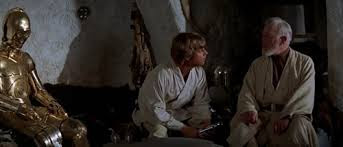
That was the sentiment I had quietly expressed when Obi-Wan Kenobi, in the form of an ethereal spirit, applied a circuitous logic to the outright lie he had foisted on Luke Skywalker shortly after their first encounter on the Judland Wastes.  By his own admission George Lucas did not originally have designs on Darth Vader having been the youthful hero’s sire.  Subsequently the storyline found itself painted into something of a corner following the events in the curiously impractical inner workings of Cloud City.  But was the espousal of “a certain point of view” so much of a conceit?  Or did Ben have his reasons to deceive Luke about his lineage, especially in light of his encounter with the Sith lord that predated the necessity of admitting the truth.  An admission that came in a certain justifiable form.


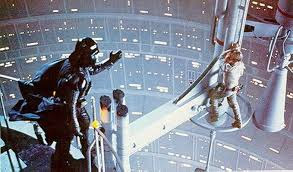
This particular justification was one that has been a long time in being realized.  Of all of the justifications I have produced it was the hardest to personally rectify.  As stated in the introduction I felt more than a little slighted by what seemed a patch over a glaring hole in the overall history of Luke Skywalker and his family.  But then that is always the problem with retrofitting a plot.  When I first saw The Empire Strikes Back I diligently championed the concept that Vader’s claim of parenthood was simply a  ploy.  Watch the duel between the two as it moves from the carbon freeze chamber to the awkward gantry and you will see the Saga’s chief villain casting about for some way to break down Luke’s resolve.  He tests the hero’s fortitude again and again, abandoning ploy after ploy in an attempt to turn the untrained Jedi to the Dark Side.  Going into Return of the Jedi three years later I fully expected to have my cause vindicated against all who wholeheartedly embraced Vader as Luke’s closest living relative.


Family Ties

Alas I was bemused to discover that the masses were correct in rallying behind Darth Vader’s admission of paternity.  Though I would come to embrace this as canon in time, in the moment of that first screening my disappointment was palatable.  And then insult was heaped upon injury when Luke confronted his late mentor on the subject of his father’s reported demise.  Seemingly dancing around his own deception, Obi-Wan’s excuse for his deceit seemed as transparent as his spirit.  A certain point of view!?  What could be more dismissive of one’s culpability when caught in a lie?  It seemed as if, in death, the slain Jedi was determined to back peddle on his choice of words when called down on reality versus what he chose to share of his past relationship with the ex-Jedi.  And yet as the years went by and this troublesome turn of events continued to nag at the back of my hardcore Star Wars fan brain I eventually found common ground with the approach that “old Obi-Wan” had taken in softening the blow for his would-be apprentice.

In delving into this conundrum it is important to look at what came before, but only in the sense that what did come before was largely implied rather than expressed.  Every fan knows that there was a gap of over a decade that preceded the resolution of both Obi-Wan’s and Darth Vader’s past.  In 1977 we had to derive what we could about the rise of the Empire and the young Jedi known as Darth Vader’s role therein.  And who was our source for this history?  None other than Jedi-in-exile Obi-Wan Kenobi himself!  But that history was imparted, on screen, to only one individual.  And when that individual is the sole reason you have parked yourself for years on a largely ignored Outer Rim world then you would naturally want to choose your words carefully if the issue of your prior relationship with a man who would become the bane of the galaxy.  And this is exactly what Ben does when Luke inquires about his father’s death.


On screen there is a gap in the dialogue through which the Millennium Falcon could fly when the crucial question of the demise of the man we would later know as Anakin was broached by his son.  Kenobi is clearly formulating his reply during this pregnant pause in the conversation, selecting how best to shed light on a mystery that has plagued the orphan before him all of these years.  Certainly he cannot reveal what decades later would be known to audiences, that it was he himself who delivered a newborn Luke into the care of the man who must pose as a blood relative from that moment forward.  Nor would he wish to share the hard truth about the connection between Anakin and Darth Vader to a boy so enamored of the memory of a man he never knew that he interprets Owen Lars’ pronouncement that Obi-Wan Kenobi died around the same tame as Luke’s father to mean that they were somehow familiar with one another.  Luke Skywalker’s psyche was rather fragile at that time, especially in regard to the question at hand.  The next time you watch A New Hope, take a good look at the scene and you will see, perhaps really noticing for the first time, this lapse in the conversation that will seem overlong in retrospect.

Which Way Does Your View Point?

But how does one’s point of view enter into the equation and  how does that become important in the greater scheme of things?  This is where the prequel trilogy becomes a positive boon, at least after a fashion.  I say this simply because the two trilogies are akin to a pair of jigsaw puzzles by the same manufacturer.  All of the pieces in each puzzle are duplicated in the overall pattern so one could easily build half of one and the other half of the other and the corresponding edges would mesh seamlessly while producing an incompatible image.  That is rather what happens when much of Ben’s dialogue in Star Wars appears to have been ignored by Lucas himself when creating the relationship between Obi-Wan and Anakin.  There is little indication of young Skywalker making the slightest impression upon Kenobi in regard to any piloting skills.  In fact Anakin’s first excursion in a spacecraft of any kind illustrates more luck and droid intervention than piloting acumen.  So when Ben recalls his old apprentice in that context he is drawing more on his overall experiences than the actual first time the two met.  In fact, as illustrated on film, Obi-Wan is none to thrilled with Qui-Gon’s latest “stray” and maintains a level of apparent disdain for the lad throughout their supposed friendship.  It appears that age tends to mellow a Jedi’s perspective, or point of view if you will.


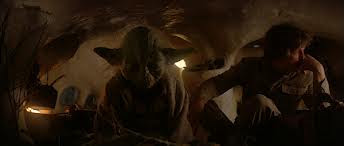
Indeed if anyone’s point of view of Anakin Skywalker leans more to the accurate it is Yoda when arguing the fate of Luke Skywalker with the late Obi-Wan.  References to his the former Jedi’s bellicose nature being evident in his son are certainly borne out more accurately in the prequels than a sense of strong Kirk-Spock level friendship between Obi-Wan and Anakin.  Yet there is method to Ben Kenobi’s madness that is implicit in the overall saga.  In addition to having time to consolidate all of his memories of Anakin Skywalker into a rosier picture while his former colleague’s son is growing up under the most bland of conditions, Obi-Wan was also afforded plenty of time to reflect on the loss of the prophesied “Chosen One” to the Dark Side.  Midchlorians or not (read more on that here), how could the Jedi destined to bring balance to the force fall prey to its more seductive aspect so easily.  Unless of course, as so often happens, the prophesy was misinterpreted.  In his hiding in plain sight exile, Obi-Wan Kenobi could easily have had the epiphany that Anakin would indeed bring balance to the Force as a catalyst rather than as the actual manifestation thereof in physical form.  The answer lay in his offspring, not in the man himself!


Such a change in the point of view on the ancient Jedi prophesy (the future is always in motion after all) would lead the venerable Kenobi to do whatever was necessary to guide Luke to his destiny.  In many ways Ben Kenobi becomes to Luke what Senator Palpatine was to Anakin.  Certainly the statesman from Naboo would be only too aware of the prophesy and its consequences to the Sith and sought to circumvent such a fate by corrupting the long awaited Chosen One.  Secure in his triumph the newly self-appointed Emperor set about destroying any hint of the Jedi Order, oblivious to his role in the fulfillment of the very future he sought to prevent.  And much as Palpatine had done with the Tatooine farm boy’s father, Obi-Wan manipulated the truth to usher Luke on a path to become the first Jedi in a generation.  In such a context even Yoda becomes complicit as he and his old friend’s incorporeal essence squabble over the eligibility of Skywalker to take on the mantle of a Jedi Knight.  While Yoda’s words about Anakin ring truer than Obi-Wan’s, they simply serve as a compelling counterpoint that encourages Luke to almost demand that the Jedi master take him on as an apprentice.  The Bill Cosby-level reverse psychology employed by these sly adepts of the Force insured that the boy who had been in their watchful care since birth would choose the hero’s path.


Why Lie?

By now it has become clear that, as with all Jedi Justifications,  I have imposed my point of view on this subject.  In so doing I have achieved a balance in what, in the 80s, seemed pointless and ridiculous.  And became disjointed in retrospect with all that was presented on screen in the prequels.  Ben Kenobi’s “certain point of view” is more than just a means to cling more favorably to memories that are less than ideal, it also serves a purpose.  While the Force has a tremendous influence on the weak minded, those with more robust mental capacity require something more down to earth, subtle manipulation of facts to achieve an end.  Certainly Obi-Wan was more than wise enough to realize that had Luke known that Darth Vader was in fact his father, the boy’s path would have been considerably different.  Confronted with the knowledge that the cold-blooded right hand of the evil Galactic Emperor was his sire might have sent him into a tailspin of self-loathing or on a far more destructive approach of trying to vindicate the family name by singlehandedly destroying the hated face of the oppressive Empire.  Given Luke’s nature he would have done anything possible to eliminate Darth Vader or die trying.  The result of such an impulsive action would likely have been Luke’s hatred being an ideal vehicle to carry him into Palpatine’s sway.


So given the fortunate turn of events that delivered Luke back into his care, Obi-Wan played every angle at his disposal from half-truths about Anakin Skywalker and his untimely “demise” to passing on his legacy to his son.  What better encouragement for a potential Jedi who dreams constantly of adventures beyond the stars than the signature weapon of the lost order?  While the subterfuge may have been ignoble, it served a higher purpose as a means to an important end.  And in the end the truth that Obi-Wan clings most strongly to is that sometimes a lie can be a vital pave stone to a higher truth. 


And as I conclude this long promised installment of Jedi Justifications it occurs to me that I have managed to open the door to yet another, the whole question of “the Chosen One”.  This certainly bears more in-depth exploration and will be getting its due in time.  That is to say I will delve more deeply into what the on-screen saga suggests to me about the Jedi  prophesy in a later installment of this feature, but not the very next one.  When I again scrutinize the plot holes, burning questions, and other justification-worthy aspects of the cinematic Star Wars universe it will be with a certain vehicle of war popularized on the big screen back in 1980.  


Hey Kids, Comics! #41 - From Funny Books to Graphic Fiction Part 5: Not Kids Comics - Tijuana to Omaha


A comprehensive look at the history of comics would not be complete without delving into a genre that is not often discussed.  The adult comic is an aspect of the medium that is as important to its evolution as the super-hero.  In this special issue the racy side of comics will get its due.


Joining Cole this week is returning guest Steve McCauley.  A lifelong friend of the show’s producer and co-host, Steve brings unique insights to this issue’s subject matter.  Everything from the “Tijuana Bibles” of old through the underground “commix” and well into the adult comic explosion of the 90s, your intrepid hosts will brave the land of comics that are most decidedly not for kids!


Note: While the material covered in this issue is of an adult-oriented nature, the discussions themselves will not be overtly explicit.  

Hey Kids, Comics! #40 - From Funny Books to Graphic Fiction Part 4: Turning Points and Changing Tastes

Comics as an entertainment have always been a fluid and evolving medium.  With origins linked to newspaper comic strips, an often embattled history, and a built-in need to maintain readership while also seeking new audiences, as published matter goes the comic book has done fairly well to still be around over 100 years later!


What forces have driven the industry beyond social pressures?  With an ever aging original audience, comic publishers have had to learn walk twisting path in order to keep up with the times while also never losing sight of any of their customer base.  As comic books moved toward more sophisticated plotlines and realistic art to maintain their more mature readers they had to simultaneously cast about for ways to attract the young new reader in the process.  Special guest co-host Bobby Blakey joins Cole for this issue that explores the trends and demands that have driven the comic book industry for decades.  And, yes, Andrew is still out on hiatus.


Want to see Bobby Blakey's art and humor?  Check out six years worth of his strip "Last Stop" right here!

Hey Kids, Comics! #39 - From Funny Books to Graphic Fiction Part 3: Comics Are Super, Man

As we reach the midpoint of the latest story arc, HKC! turns its attention to the rise of the super-hero genre.  From the lighting of the fuse in the form of Superman to the periodic gluts in publishers, titles, and characters that have punctuated the history of the genre, there is a lot of ground to cover.


And heroically stepping up to aid in this is Texas-based artist and major fan of the show Eddie Medina!  Eddie is this week’s surrogate Andrew as the “Hey Kids, Comics! Without an Andy” subplot continues.  In all actuality Andy has taken a brief hiatus from the show so Cole has arranged a rotor of substitutes for the duration of this arc and at least one issue following.  Please join this latest pairing of comic fans on a journey through the genre that has defined the medium for decades.  This one is going to be super!


JCU Sunday Funnies #1

Or should that be "Sunday Funny"?

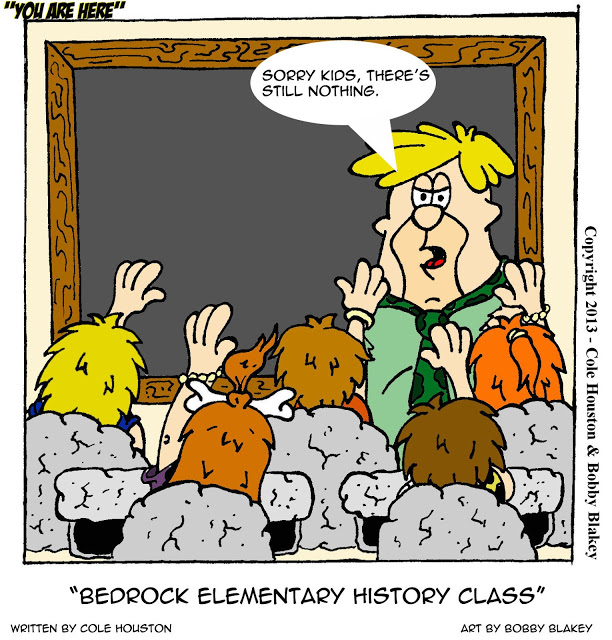
Welcome to a new weekly feature on The JediCole Universe!  Sunday Funnies is just a header really to invoke the full color comic strips in Sunday newspapers (back when there were more of them).  And back in those days, a good 20 years or more back, I was informed by my dad that the Oak Cliff Tribune was looking for a recurring comic.  Not really being someone who was ever happy with my own art I decided to give it a go none the less.  I had been the staff cartoonist for my high school paper for two years after all, even winning some awards for my work.

But I was certainly not going to count on being able to deliver on a weekly basis without a good backlog of work at my disposal.  So it was that I gave myself a month or two to hammer out at least 15 to 20 weeks of cartoons that would tide me over during inevitable creative droughts.  Even after I had managed that aspect, I was, in the end, a victim of my own self-doubt on my ability to deliver the art consistantly.  And so the whole grand scheme went by the way side.  Concepts never went past rough sketches or just notes and very little ever made it to the original art stage.  Since I had never contacted the newspaper I felt I was off the hook from the whole project.

But I never really was, in all actuality.  Over the years an idea here or there would inspire more and I would pick up the concept anew.  Granted I had no outlet for the work if I ever got it to that stage, but I could not stop coming up with the comics, all of which were of the one panel The Far Side variety.  And being a person who uses every part of the concept, I kept all of my sketches, notes, and other materials filed away for future reference.  The years passed and all of that which might have been was archived with my mountanous "life's papers" until this year.  This was the year I began to work with my good friend Bobby Blakey, an acomplished cartoonist, on a project of two that he had floating around in the background of his creative life.  While collaborating on his project in the capacity of writer it occured to me that he would be the ideal illustrator for my comic strip ideas.

And so it is that the combination of my concepts and Bobby's art, with the addition of a title that Mrs. JediCole had created for another abandoned project, became the weekly comic you will find here every Sunday until I run out of ideas, Bobby runs out of patience with doing all the hard work, or my ideas and the backlog of pre-drawn material dry up.  For now, look for a new installment of You Are Here every week, exclusively at The JediCole Universe!  Oh, and on my Facebook page, too.  This series will feature most if not all of the concepts that began two decades ago as well as some brand new ones that have sprung to mind only since this project started a few weeks ago.  The first installment is from a brand new concept that, literally, got this whole thing off the ground.


Special thanks to Bobby Blakey for making this possible.  He takes my written concepts, crude sketches, and other cues and turns them into something that is nothing short of amazing!  Check back next week to see what else rattled out of the Ever-Ticking Brain of JediCole!  Starting next Sunday (April 21) there will no longer be an lengthy intro for this feature, just one really fun cartoon!  Want to see Bobby Blakey's art and his own humor?  Check out six years worth of his strip "Last Stop" right here!

Hey Kids, Comics! #38 - From Funny Books to Graphic Fiction Part 2: Seduction and Salvation


The latest story arc for Hey Kids, Comics! kicks in to full swing as we explore various aspects of how comic books as a medium have been perceived and how misconceptions have led to difficulties.  From 1954’s Seduction of the Innocent to the decline in attitudes that comics are “just for kids”, join us for an overview of some trying points in comic book history.

Hey kids, AHHHHHHHHHHH!
The birth and fate of the Comics Code Authority is examined along with the necessity of an organization that is vital to the comic book retailer.  Andrew Farmer is on a temporary hiatus from the show so this week Cole is joined by a very special guest, Catherine “Mrs. JediCole” Houston!  With her knowledge and insights on the subject at hand she proves to be the ideal substitute Andy for this compelling issue.


Learn more about and support the Comic Book Legal Defense Fund by following this link.  This organization fights censorship, champions the First Amendment Rights of writers, artists, and publishers in the industry, and most importantly offers legal representation for comic shop owners persecuted (via legal prosecution) by local government that still looks upon comics as a children’s medium and comic shops as easy targets.

Hey Kids, Comics! #37 - From Funny Books to Graphic Fiction Part 1: Children of the Yellow Kid

Welcome to the latest Hey Kids, Comics! where yet again the issue number is off in the recording but accurate here.  By the time we get to #38 this should all be worked out.  Sorry for any confusion.

What is not confusing is the topic of the next five-issue story arc to hit this series.  In this arc, "From Funny Books to Graphic Fiction", Andrew and Cole explore not only the history of the comic book but also its evolution as a creative medium and its subsequent perceptions by the general public.  


As pointed out in this initial episode, this is not going to be a ponderous attempt at exploring a chronological narrative of the comic from its humble beginnings to its place as an industry among industries in entertainment.  Instead the goal is to touch upon where comics came from, where they have been, and to a lesser degree where they are going.  All of this brought together under the umbrella of specific periods and aspects of the genre.  


There is a lot of four color ground to cover and the time-spanning journey begins right here...

Hey Kids, Comics! #36 - Bring On the Bad Guys! The Dark Side of Comics

Little by little we are managing to return to our Wednesday schedule.  While this issue is introduced as #35, it is in fact #36.

Every great hero has his or her villain.  Or in the case of comics, villain, villains, villain team(s), or rogue's gallery.  It is the inevitable after effect of the hero, super or otherwise.  The arch-nemeis, the player on the other side, the opposite, the reverse of the coin - call them what you will, the "bad guys" are a given in the genre.


Andrew and Cole delve deep into the minds of the twisted, the nasty, the evil, the greedy, and the down right insane in this special issue of Hey Kids, Comics!

Hey Kids, Comics! #35 - The Ballad of Bobby Blakey or What Do You Do With a Big Dumb Gorilla?

There is an alley that is peopled by a curious collection of denizens.  But this is not some dark passageway filled with shifty characters, instead it is well lit and awash in colorful images.  It is the Artist Alley at almost any convention.  And from such a unique environment we bring you an infrequent resident, one Bobby Blakey.
You may not know Bobby or know if his work, but you should.  If you have followed this show or many of the features of The JediCole Universe then you have seen his art.  The banner headshots of Andrew and Cole and the Rantcor are both fine examples.  After all of the work he has done for this show and site and indeed for other JediCole pursuits, often on quite short notice, it was decided that the HKC! spotlight needed to shine on Bobby, who graciously put his head on the chopping block (we had to got there considering the self-portrait he sent when one was requested) and tossed it about for an hour.

And now we give you a glimpse at the most self deprecating artist we know…


Want to get to know Bobby even better?  You can find his work, past and present, by following these links: 

Last Stop (Six years worth of Bobby's work!)
The Examiner (Profile)

Hey Kids, Comics #34 - Secret Origins of Hey Kids, Comics!

Welcome to a most unusual issue of Hey Kids, Comics!  As with comic books themselves, sometimes you just have to run a reprint of an older issue to fill in the blanks and keep up the schedule.  In this case a recording from the archives is going to become a special episode of the show.  


So if you are wondering why so much of this is so dated, well, this show was kind of a prototype for what became Hey Kids, Comics! that Andrew recorded some time ago with Stu from Midnight Movie Cowboys.  So enjoy a brief glimpse into the show that was practice for all that would follow.  Our issue #-1 if you will.

Update: Thank you to Stu for pointing out on Facebook that the original recording was made back in August 2011.  The first issue of HKC! as you know it debuted on the JCU Podcasting Network on Wednesday, July 4, 2012.  So the recording below is darn near two years old.  Thank you also to Stu for holding on to it all of these years and remembering it was still out there somewhere.

Warning, the "s-word" is used.


Hey Kids, Comics! #33 - To Kill a Robin

Better late than never!

With All-Con prep, the show itself, and the recovery I've fallen a couple of issues behind on the schedule for "Hey Kids, Comics!"  Luckily we recorded this episode early against just such an emergency!

In this case we recorded an episode in response to the leaked information that the current Robin, Damian Wayne, was undoubtedly going to soon be the late Robin.  Rather appropriate that this issue ran late, eh?


It seems that to don the green, red, and yellow gives one a fifty/fifty chance that they will be killed in action.  Andrew and Cole explore the colorful history of the Robin Hood-inspired sidekick.  Who has taken up the mantle?  Who has survived and even thrived?  Is it a good idea to recruit children into the danger-ridden field of super-heroics? 

This and more is explored in the latest issue of The JediCole Universe's own comic book show!